Every body of work has an origin.
Mine Began in a Landscape that had already lost everything.
For more than thirty years, storytelling shaped my career. As a creative director, I helped global organisations communicate ideas through design, language and visual narrative. I understood how stories could influence the way people saw the world.
I hadn’t yet discovered the story that would change the way I saw my own.
That happened after Hurricane Sandy.
I was invited by senior leaders of the American Red Cross to document communities rebuilding after the storm. I arrived believing I was there to photograph people.
Instead, I found myself watching the landscape.
Homes could be rebuilt. Roads could reopen. But something else had been lost. Familiar streets had disappeared. Ancient trees lay where they had fallen. Coastlines had been redrawn. I began to understand that place is never simply where life happens. It quietly shapes who we become.
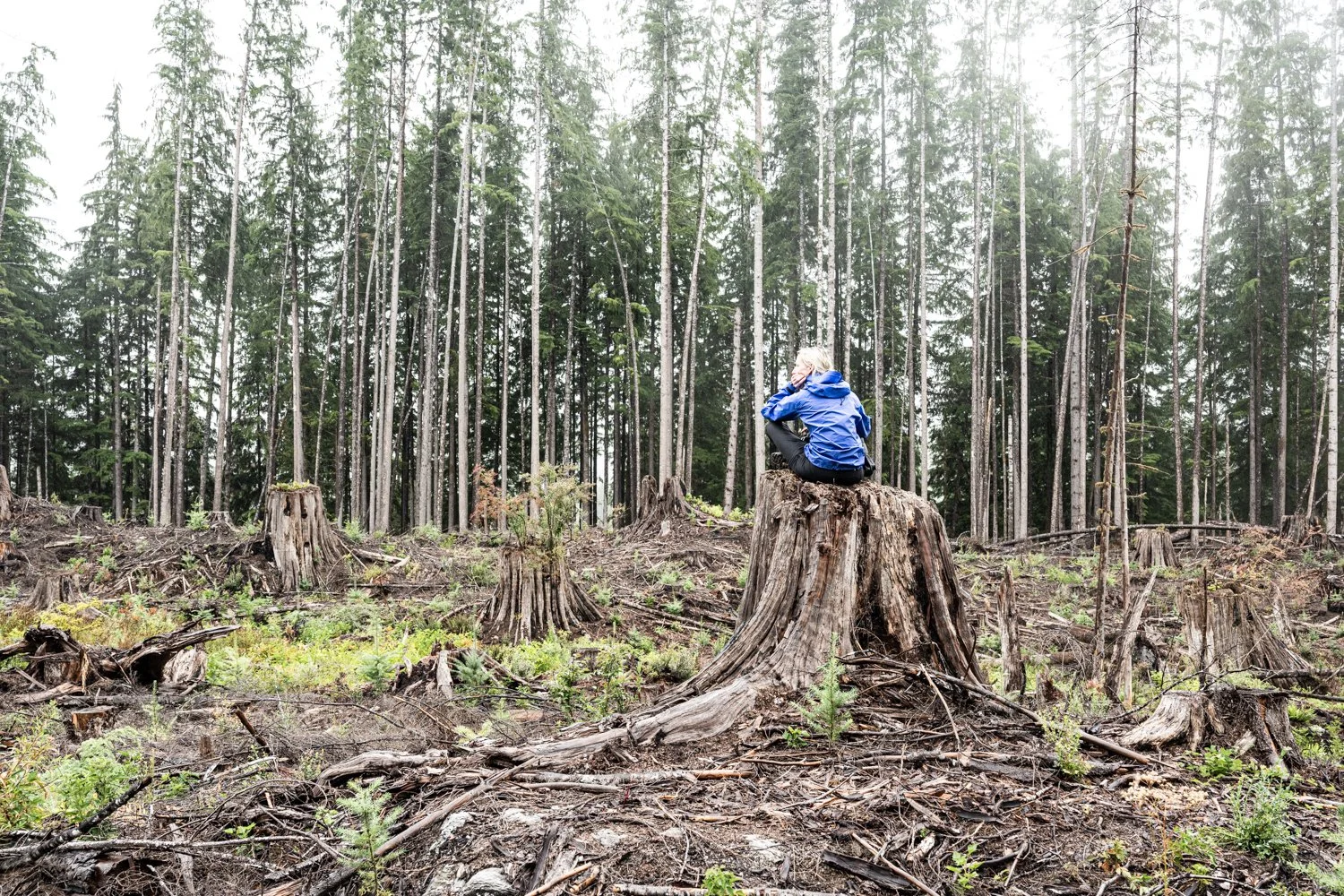
Standing beneath a broken tree that had weathered decades before finally giving way, I realised the landscape was not simply the setting for the story.
It was one of its central characters.
That experience changed far more than the direction of my work.
It changed the way I move through the world.

““When I look at her work, it feels like I am standing right there beside her — not observing from a distance, but inside the moment itself.”
— Amy, New York 
“There is something rare in the way she works. You can feel the time she has spent, the patience, the quiet presence. It’s as if she and the landscape are moving together — a kind of unspoken dance that allows these intimate moments to unfold.”
— Max, Austria Every expedition begins by crossing a threshold.
Before every expedition, I spend time learning about a place. I read, research and listen to the stories already rooted there. Years ago I thought preparation meant arriving with a plan, a list of images I hoped to make.
I no longer work that way. The landscape always has other ideas.
Now I arrive with curiosity rather than expectation. I have learned that the most meaningful encounters rarely happen on command. They ask for patience, time and the willingness to slow down.
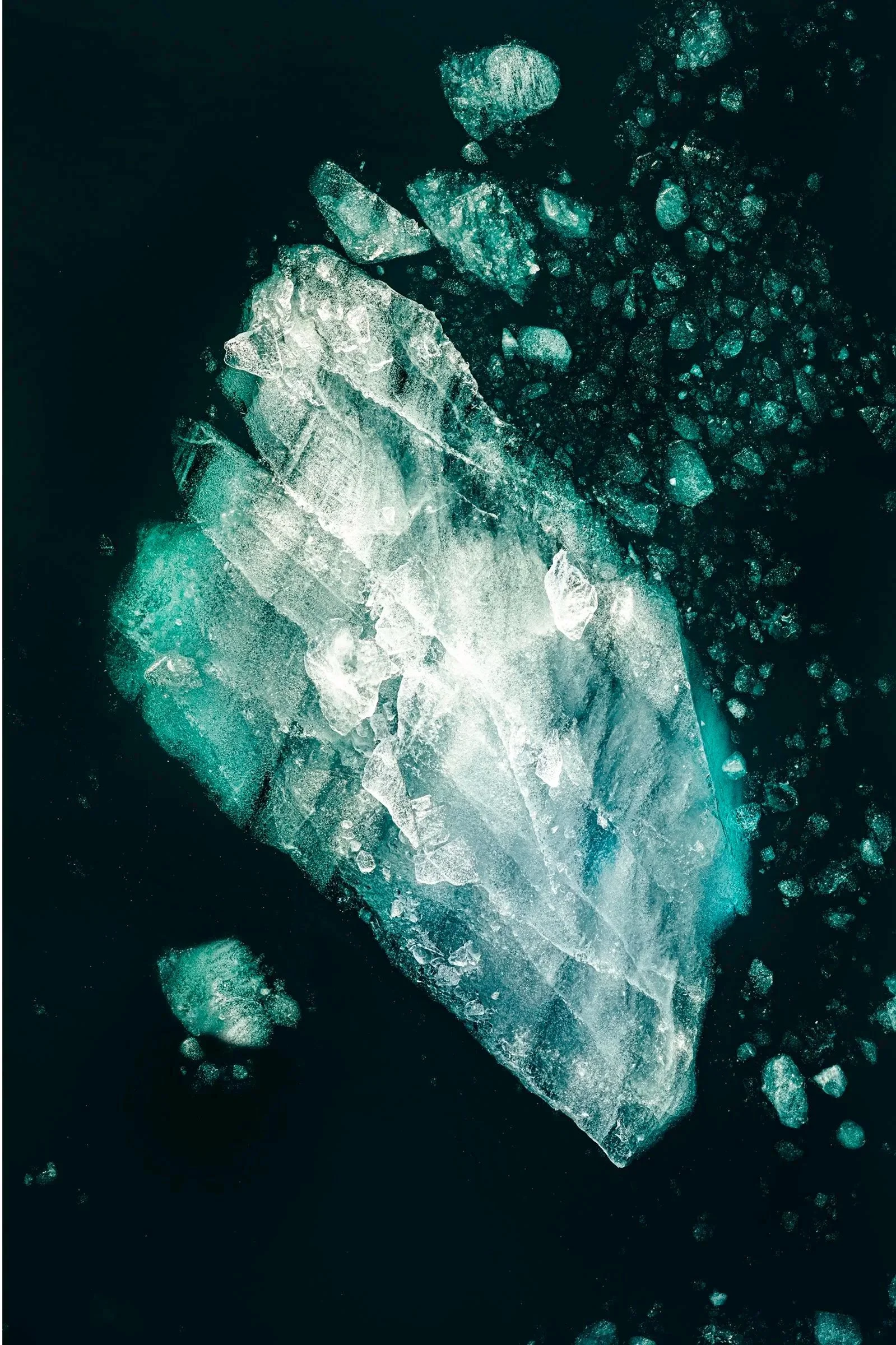
Some days I spend hours waiting in freezing rain for a single moment that never comes. Then, just as I begin walking back, something entirely unexpected unfolds. A shaft of light reaches across the forest floor. A matriarch elephant stretches out her trunk. A fragment of ancient ice quietly separates from a glacier. A movement catches the corner of my eye and asks me to stop.
Those are the moments I have learned to trust.
They cannot be planned.
Only recognized.
‘Some experiences remain with us long after we leave the landscape.
Art allows them to continue.’
“When I look back at the work, it doesn’t feel like I’m looking at something I made. It feels like I’m back there again — not watching from the outside, but standing inside the moment, feeling it all over again.
From an early age, photography allowed me to frame what I saw and begin composing my own story. I see everything as it happens, always searching for a way to hold onto that fleeting instant and translate it so the viewer can feel it too.
There’s a quiet kind of trust that builds over time. It comes from staying longer than feels comfortable, from listening more than taking. Eventually something shifts — the landscape softens, opens — and for a brief moment, it feels like we’re moving together, like we understand each other without needing to explain it.
But my process goes far beyond the field. Bringing the sound, light, and feeling of an encounter back with me, I continue to work each piece or collection into something new — often exploring different and unique mediums to fully express the experience.”
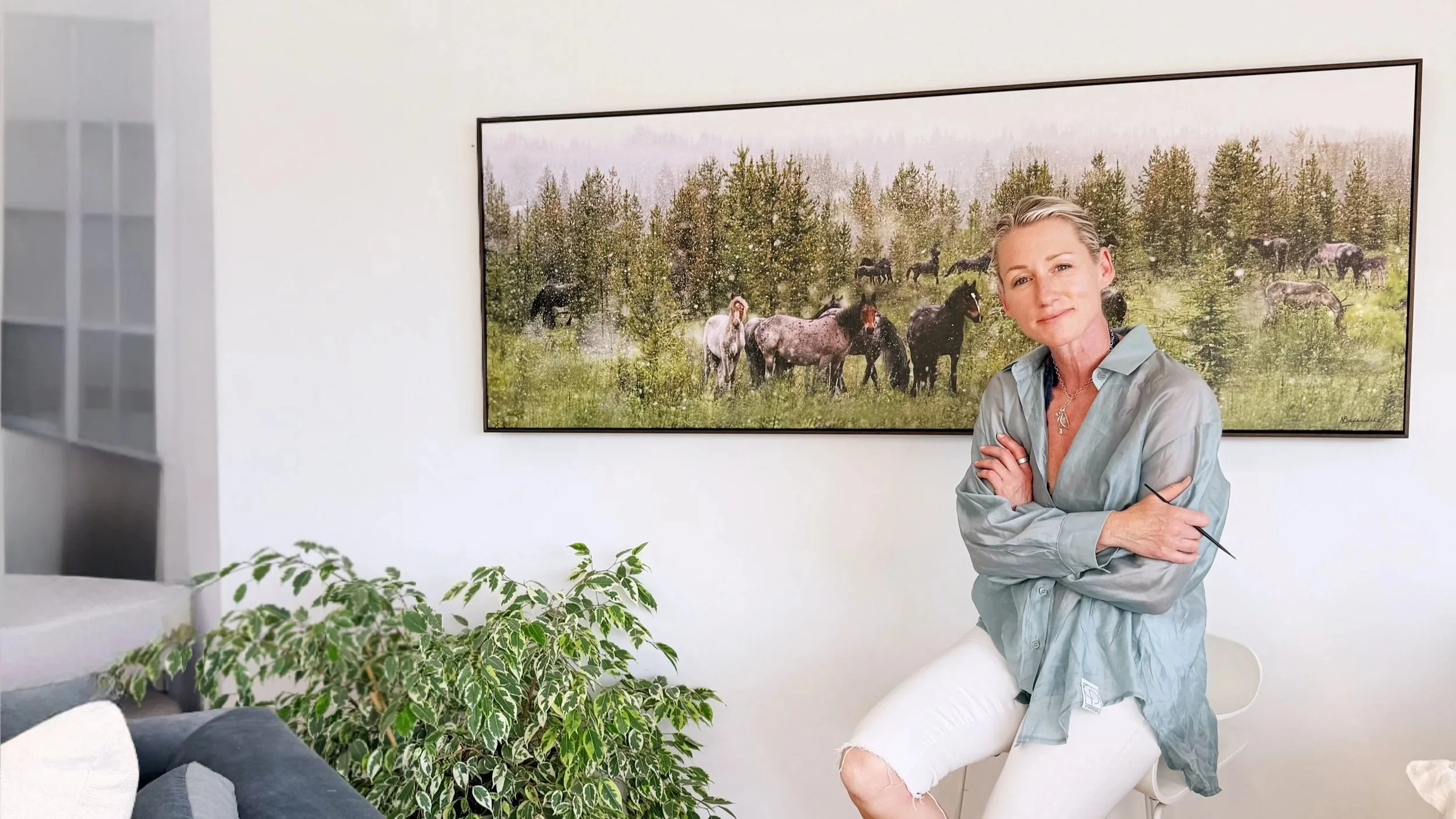
Nikki Baxendale photographer, artist & writer.
Nikki Baxendale is a British-born, Vancouver-based artist, photographer and writer whose multidisciplinary practice explores the relationship between people, place and the living world.
Working across photography, painting and writing, she creates immersive works that translate lived experience into visual narratives, inviting viewers to move beyond observation and into a deeper sense of presence, memory and belonging.
Her fieldwork has taken her to some of the world’s most remote and ecologically significant environments, including the Arctic, the Himalayas, the rainforests of British Columbia, the coastlines of Newfoundland and the grasslands of Alberta, where extended periods in the landscape form the foundation of her practice.
Baxendale has exhibited throughout Canada, the United Kingdom and the United States and is represented by galleries in Vancouver, Newfoundland, London and New York. Her work is held in private collections internationally and she regularly collaborates with conservation organisations, scientists, educators and communities to create projects that foster deeper connections between people and the natural world through art.