NIKKI BAXENDALE
Multidisciplinary Environmental Artist
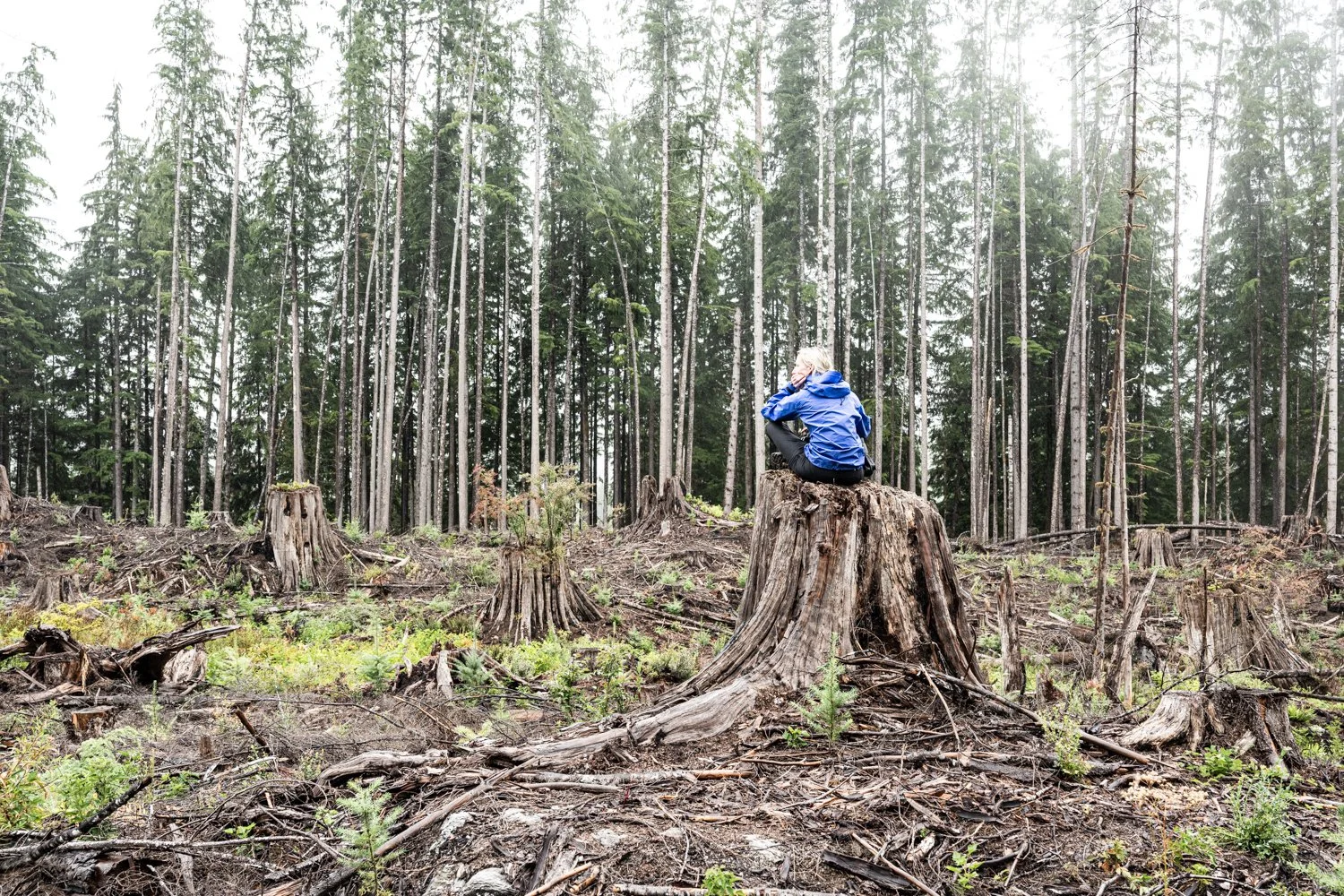
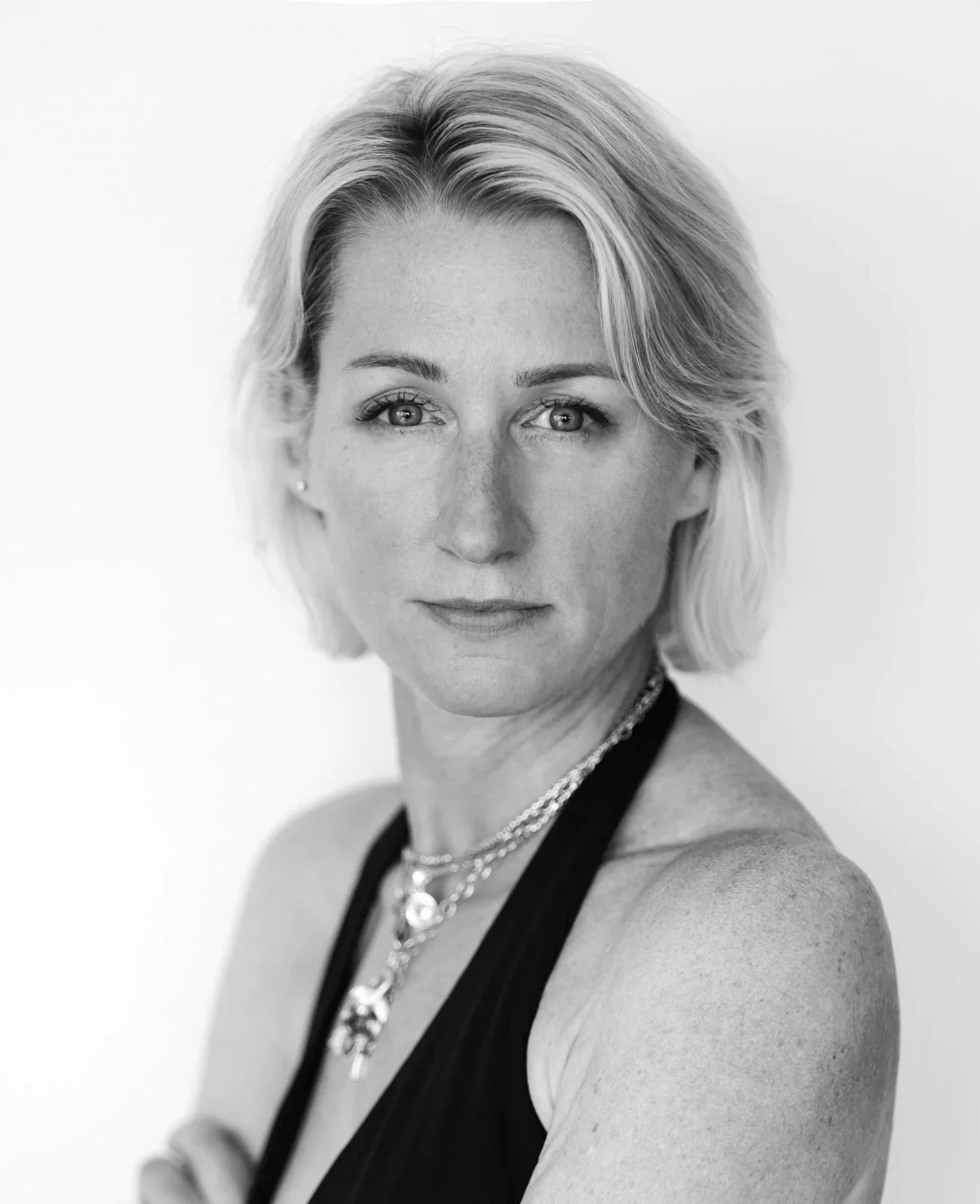
Nikki Baxendale is a British-born, Vancouver-based multidisciplinary environmental artist whose practice spans photography, painting and writing. Through long-term field research in some of the world’s most remote landscapes, she creates bodies of work that explore belonging, perception and our relationship with the living world.
Rather than documenting place, her work investigates how encounters with nature quietly reshape the way we see ourselves. Each expedition becomes the beginning of an evolving creative process, where field observations develop into photography, painting, writing and immersive installations.
‘Every expedition begins long before I pick up a camera.
I spend months researching landscapes, listening to the people who know them best and understanding the stories already rooted there. When I finally arrive, I no longer work from a shot list. I arrive with curiosity, allowing the landscape to reveal itself in its own time.
Photography is where each encounter begins, but rarely where it ends.
Back in the studio, the work continues to evolve through painting, writing and mixed media, carrying the experience beyond documentation and into reflection. Each body of work becomes another chapter in an ongoing exploration of memory, belonging and the quiet relationship between people and place.’
BIOGRAPHY
Before dedicating herself to environmental art, Nikki spent more than thirty years as an international creative director, leading global design teams and developing visual identities for brands across New York, London, Los Angeles, Tokyo and Vancouver.
A pivotal assignment with the American Red Cross following Hurricane Sandy transformed the direction of her life and work. While documenting communities rebuilding after the storm, she became increasingly drawn to the landscapes themselves and the stories they carried. That experience marked the beginning of a lifelong artistic practice centred on the natural world.
Today, her fieldwork has taken her from the Arctic and the Himalayas to the rainforests of British Columbia, the coastlines of Newfoundland and the grasslands of Nepal. Her work has been exhibited internationally and is held in private collections throughout North America and Europe. She is represented by galleries in Vancouver, Newfoundland, London and New York.
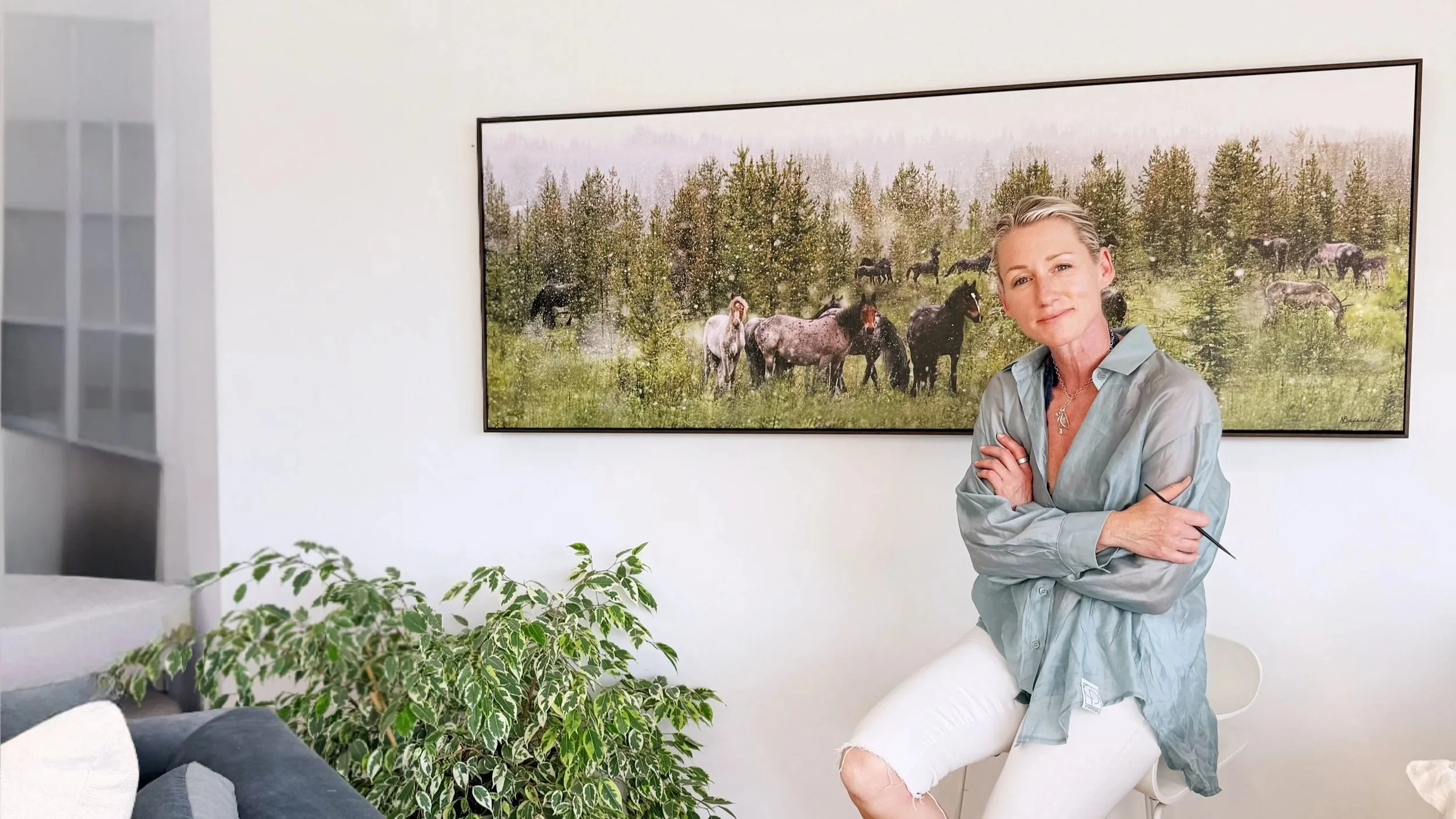
‘When I look back at the work, it doesn’t feel like I’m looking at something I made. It feels like I’m back there again — not watching from the outside, but standing inside the moment, feeling it all over again.
From an early age, photography allowed me to frame what I saw and begin composing my own story. I see everything as it happens, always searching for a way to hold onto that fleeting instant and translate it so the viewer can feel it too.
There’s a quiet kind of trust that builds over time. It comes from staying longer than feels comfortable, from listening more than taking. Eventually something shifts — the landscape softens, opens — and for a brief moment, it feels like we’re moving together, like we understand each other without needing to explain it.
But my process goes far beyond the field. Bringing the sound, light, and feeling of an encounter back with me, I continue to work each piece or collection into something new — often exploring different and unique mediums to fully express the experience.’